
- Happy Rewards
- October 8, 2026
Where to print loyalty cards | Online Options.
When you decide to launch a loyalty card program, the first question is often surprisingly simple: where should you actually get the cards printed? With so many online printing services available, choosing between paper, cardstock, plastic, custom designs, and different order quantities can quickly become confusing. You also need to think about printing quality, turnaround times, customization, QR codes, and the total cost of your order.
The good news is that businesses no longer have to rely only on a nearby print shop. Online providers make it possible to design, customize, and order loyalty cards from almost anywhere, whether you need a small batch for a new program or hundreds of cards for an established customer base.
But printing is only one part of the decision. The type of card you choose should fit your reward program, customer habits, and the way you plan to manage loyalty after those cards reach your customers. And if carrying, replacing, and managing physical cards starts to feel like more work than it’s worth, HappyRewards.io offers a digital route that puts loyalty cards directly on customers’ phones.
Best Places to Print Loyalty Cards Online
Once you know you want physical loyalty cards, the next decision is where to order them. You can choose from general online printers, specialty card providers, plastic card manufacturers, local print shops, and print-on-demand services. The right option depends on your card material, order quantity, customization needs, budget, and turnaround time.
For a simple rewards program, you may not need a specialized printer. However, if you need QR codes, barcodes, unique card numbers, plastic cards, or advanced customization, a provider with those capabilities may be a better fit.
General Online Printing Companies
General online printing companies are often the easiest starting point for businesses that need straightforward custom loyalty cards. Most allow you to choose a format, upload your artwork or customize a template, select a quantity, and place the order online.
This works well for small businesses launching a simple loyalty program. If your card only needs your logo, brand colors, reward details, and basic customer instructions, a general printer may provide everything you need.
Look for:
- Custom card printing with your own artwork
- Ready-made loyalty card templates
- Upload-your-own-design options
- Paper and cardstock choices
- Single- or double-sided printing
- Different order quantities
- Online proofs before production
Always check the available card size, material, finish, and production time before ordering.
Specialty Loyalty Card Printing Companies
Specialty loyalty card printers focus on customer loyalty cards, membership cards, rewards cards, and identification cards. They are worth considering when your physical card needs to do more than display your branding.
For example, you may want unique numbers, barcodes for customer identification, or QR codes for digital enrollment or information. Depending on the provider, you may also find plastic materials, variable data printing, magnetic stripes, and custom front and back designs.
This category is especially useful when the card needs to connect with your customer loyalty program or another business system.
Before placing an order, confirm that the printer supports the exact barcode, QR code, numbering format, and specifications your business requires.
Plastic Card Printing Companies
For businesses that want durability, a provider specializing in plastic loyalty cards can be a strong choice. PVC cards are more resistant to everyday handling than paper, making them suitable when customers are expected to keep their cards for months or longer.
PVC loyalty cards can also provide a polished, membership-style appearance. They are commonly suitable for:
- Retail stores
- Salons and spas
- Fitness businesses
- Membership businesses
- Specialty stores
- Service businesses
You can usually customize the design with your logo, colors, reward information, QR codes, and barcodes. The main consideration is cost, since plastic cards generally cost more than basic cardstock.
Local Print Shops With Online Ordering
Local print shops are also worth considering, even when your goal is to order online. Many now allow customers to upload designs, choose specifications, pay online, and arrange delivery or pickup.
This can be helpful when you need custom loyalty cards quickly or have specific printing requirements. Local providers may also offer easier communication and the opportunity to review a physical sample before ordering a larger quantity.
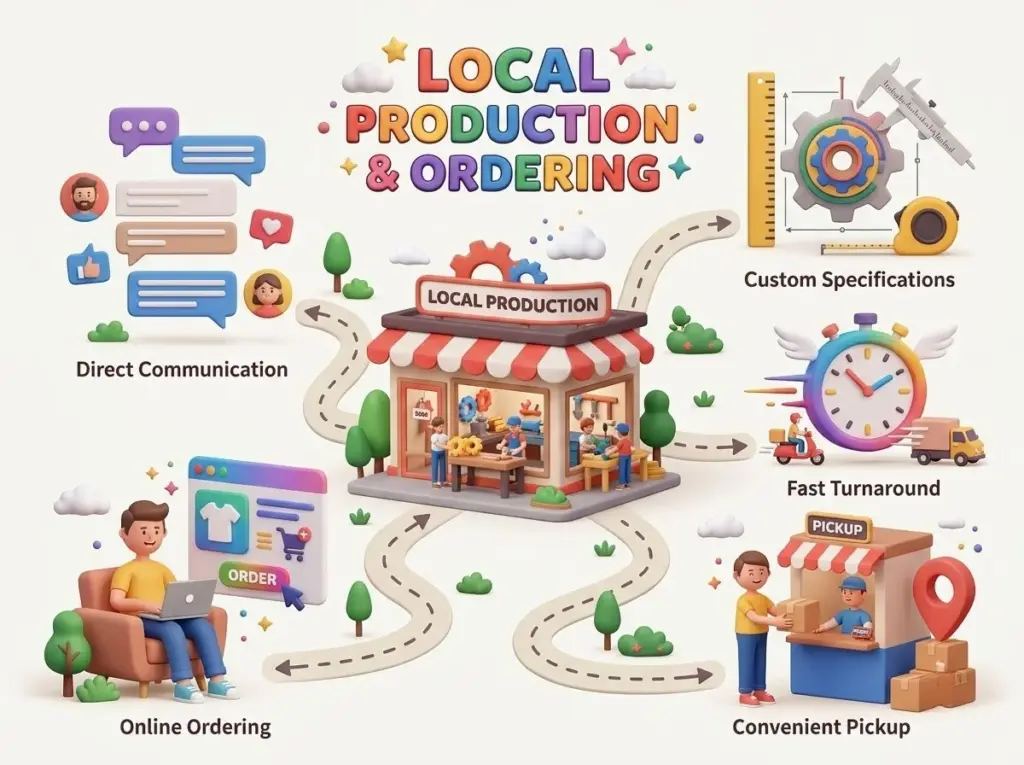
Local providers can make ordering easier with online ordering, local production, pickup options, direct communication, custom specifications, and potentially faster turnaround.
Potential benefits include:
Business Card Printing Services
For a basic rewards card, business card printing services can sometimes be a practical and affordable choice. A coffee shop, bakery, or small retailer might use a cardstock card with stamp spaces, reward information, and simple branding.
These services may offer:
- Affordable basic printing
- Familiar card dimensions
- Simple design tools
- Paper and cardstock options
- Small and medium quantities
- Easy customization
However, they may not support advanced features such as unique customer identification, barcodes, QR codes, or variable data.
Print-on-Demand Options
Print-on-demand can be useful when you do not want to order hundreds or thousands of loyalty cards upfront. You can order smaller quantities as needed, which reduces excess inventory.
This can work well for newer businesses testing a loyalty card program or businesses that frequently change their rewards and promotional messaging.
Before choosing this option, compare:
- Per-card pricing
- Minimum order quantities
- Production times
- Shipping costs
- Reorder convenience
- Design storage
- Consistency of future orders
The main advantage is flexibility, while the potential drawback is a higher per-card cost than bulk printing.
Ultimately, the best place to print loyalty cards depends on what the card needs to accomplish. Simple paper cards may only require a general printer, while plastic loyalty cards, QR codes, barcodes, or customer identification may call for a specialized provider.
6 Popular Online Options for Loyalty Cards
Once you know what kind of loyalty cards you want, comparing online providers becomes much easier. Some businesses need simple printed cards with a logo and reward details, while others need specific materials, custom sizes, QR codes, barcodes, or numbered cards. If you would rather avoid physical cards, digital loyalty cards provide another option.
1. Vistaprint
Vistaprint is a familiar option for small businesses that want straightforward custom printing. Its online ordering process makes it possible to create branded cards using templates or upload your own artwork, which can be useful when you already have established brand colors and design elements.
For businesses ordering simple custom loyalty cards, a general printing service can be a practical starting point. Depending on the card format you select, you can typically choose from different paper or cardstock finishes and order the quantity that fits your needs.
Key advantages include:
- Custom card printing
- Ready-made design templates
- Upload-your-own-design options
- Paper and cardstock choices
- Custom branding
- Online ordering for small businesses
This option is best suited to businesses that want professional-looking printed cards without needing advanced features such as variable numbering or complex customer identification.
2. GotPrint
GotPrint is another option worth comparing when price, materials, and order quantities are important. Its custom printing services can work for businesses that want to create branded cards and compare different specifications before placing an order.
For a basic loyalty card program, businesses can focus on factors such as card size, paper or material, finish, quantity, and overall print quality. Ordering larger quantities may reduce the cost per card, although the lowest total price is not always the best choice if you are still testing your program.
Consider:
- Custom printed cards
- Different paper and material options
- Bulk ordering
- Custom artwork
- Quantity-based pricing
- Shipping and production costs
GotPrint can be a good fit for businesses comparing affordable printing options and looking for flexibility in order quantities.
3. UPrinting
UPrinting is useful for businesses that want more control over the specifications of their printed materials. Rather than relying entirely on a standard template, you can work from your own design and select specifications that match your branding and intended card use.
This can be particularly useful when your custom loyalty cards need a specific size, material, finish, or visual layout. Uploading your own artwork also gives you greater control over how your logo, reward information, and customer instructions appear.
Important features to consider include:
- Custom printing
- Multiple sizes and materials
- Upload-your-own-design functionality
- Custom specifications
- Different finishing options
- Quantity flexibility
UPrinting may be a better choice when the appearance and physical specifications of the card matter as much as the basic printing itself.
4. PrintPlace
PrintPlace is another online printing option for businesses that need professional printed materials. It can be considered when you are ordering a loyalty card program alongside other branded business materials and want to manage your printing through an online provider.
Businesses should pay attention to the available card formats, customization options, minimum quantities, production schedules, and shipping costs before ordering. These details can have a noticeable effect on the final cost and delivery timeline.
PrintPlace can be a suitable option for businesses looking for:
- Business printing services
- Custom card printing
- Bulk orders
- Flexible designs
- Professional printed materials
- Online ordering and delivery
It makes the most sense when you want your loyalty cards to maintain the same professional look as your other customer-facing materials and support the presentation of your loyalty card program.
5. Plastic Card Printing Providers
If paper or cardstock does not feel durable enough for your customers, a plastic card printing provider may be the better route. These specialists focus on PVC and other durable card formats that can create a more permanent, membership-style experience.
Plastic loyalty cards are particularly useful when customers are expected to keep their cards for months or years. They are commonly used by retail stores, salons, spas, gyms, membership businesses, and other companies where customers regularly return.
Depending on the provider, you may be able to add:
- PVC or plastic card materials
- Barcodes for customer identification
- QR codes for digital interactions
- Variable card numbering
- Custom branding and artwork
- Front and back printing
- Membership-style designs
The tradeoff is cost. Plastic cards generally require a larger investment than basic cardstock, so they make more sense when durability and a premium appearance are important parts of your customer loyalty experience.
6. HappyRewards: A Digital Alternative
Not every business needs to print physical cards. HappyRewards provides digital loyalty cards that give businesses another way to manage rewards without ordering, storing, and replacing physical cards. This can be particularly useful when you want to build a loyalty card program without relying entirely on printed materials.
This can be useful for businesses that want customers to access their loyalty experience from their phones. Instead of carrying a paper or plastic card, customers can use a digital format for rewards and engagement.
A digital approach can help businesses reduce some of the practical challenges associated with printed cards, such as:
- Reordering physical cards
- Storing extra inventory
- Replacing lost cards
- Managing printed reward information
- Updating card-based promotions
Digital loyalty cards can be especially appealing to businesses that want a more convenient, mobile-friendly loyalty experience. They are not a physical printing service, so HappyRewards should be viewed as an alternative to printed loyalty cards rather than another place to order them.
When comparing these six options, start with what your business actually needs. General printers work well for simple printed cards, specialty providers can handle more advanced physical card requirements, and digital loyalty cards offer an alternative when you want to move away from physical printing altogether.
What Types of Loyalty Cards Can You Order Online?
Before placing an order, it helps to decide what kind of loyalty card actually fits your business. The right format depends on how customers will use the card, how long you expect them to keep it, and whether you need features such as stamps, barcodes, QR codes, or unique customer numbers. Choosing the right card type first can also help you avoid paying for features your loyalty card program does not need.
Paper and Cardstock Loyalty Cards
Paper and cardstock are usually the simplest and most affordable choices for businesses starting a loyalty card program. They work particularly well for programs where customers collect stamps, punches, or simple purchase-based rewards.
You can customize these cards with your logo, brand colors, reward details, and instructions. They are a practical choice for:
- Coffee shops and cafés
- Bakeries and restaurants
- Small retail stores
- Salons and service businesses
- Short-term promotions
The biggest advantage is affordability, especially when ordering larger quantities. However, paper cards can become damaged, misplaced, or worn with frequent use.
Plastic and PVC Loyalty Cards
If durability matters, consider plastic loyalty cards or PVC cards. These materials can withstand regular handling and create a more polished, membership-style experience.
Depending on the provider, you may be able to add:
- Custom branding and colors
- Barcodes
- QR codes
- Unique card numbers
- Front and back printing
- Custom finishes
Plastic cards can be a good fit for salons, spas, fitness businesses, retailers, and membership-based businesses where customers are likely to keep their cards for an extended period.
Stamp and Punch Cards
Stamp and punch cards remain popular because they are easy for both customers and employees to understand. Each qualifying purchase earns a stamp or punch, and customers receive a reward after reaching a specific number of visits or purchases.
This format works well for businesses that want a straightforward customer loyalty program without complicated tracking. Make sure the card clearly explains how customers earn rewards and when those rewards can be redeemed.
Barcode and QR Code Cards
Businesses that want physical cards to connect with digital experiences can choose barcode loyalty cards or cards featuring QR codes. Barcodes can help identify customers, while QR codes can direct them to a website, offer, registration page, or other digital destination.
Before printing, verify that the codes are correctly generated, readable, and compatible with the system you plan to use. It is also worth ordering a sample before committing to a large quantity.
Digital Loyalty Cards
Businesses that want to avoid physical inventory can consider digital loyalty cards instead. Customers can access their loyalty experience digitally rather than carrying a paper or plastic card.
This approach can reduce concerns around lost cards, storage, reordering, and outdated printed information. It can also provide a more convenient experience for customers who already use their phones throughout the day.
Ultimately, the best card type depends on your customers, budget, and how your loyalty card program is structured. Once you know whether you need simple cardstock, durable plastic, tracking features, or a digital format, comparing providers becomes much easier.
What to Check Before Ordering Loyalty Cards Online
Before ordering loyalty cards online, compare the quality, features, pricing, and delivery details. The right choice should support your loyalty card program without adding unnecessary costs.
Card Quality and Material
Choose the material based on how customers will use the card.
- Cardstock for affordable everyday cards
- Plastic or PVC for durability
- Matte or glossy finishes
- Suitable card thickness and size
Features and Customization
Make sure the printer supports the features your program needs, including:
- QR codes
- Barcodes
- Unique card numbers
- Custom branding
- Reward or stamp spaces
Pricing and Delivery
Compare the total cost, not just the printing price. Check minimum quantities, bulk pricing, production time, shipping costs, proofing, and reorder options.
These details can help you choose loyalty cards that look professional, fit your budget, and work smoothly with your loyalty card program.
How Much Does It Cost to Print Loyalty Cards Online?
The cost of printing loyalty card program online depends on more than the price shown for a basic card. Material, order quantity, customization, finishing, and shipping can all affect the final amount. Before placing an order, I recommend looking at the complete cost rather than choosing a provider based only on the lowest starting price.
Card Material and Quantity
The type of card you choose has a major impact on your printing budget. Cardstock loyalty cards are generally a practical choice for businesses that want an affordable option for everyday use. Plastic loyalty cards and PVC cards typically cost more because they are designed for greater durability.
Your order quantity also matters. Ordering a larger batch can reduce the per-card cost, while smaller orders may have a higher cost per card because setup and production expenses are spread across fewer cards.
Customization and Finishing
A simple branded card will usually cost less than one with several additional features. When requesting a quote, consider whether you need:
- Full-color printing on one or both sides
- Custom loyalty cards with unique designs
- QR codes or barcodes
- Rounded corners or special finishes
- Matte, glossy, or laminated surfaces
- Sequential numbering or variable information
- Custom sizes or unusual card shapes
These options can make your loyalty program look more professional, but they can also increase the total printing cost.
Shipping and Additional Fees
Do not forget to include shipping when comparing online printers. Rush production, design services, proofing, and special packaging may also add to the final price. A low base price can become less attractive once these costs are included.
For this reason, compare the total order cost, minimum quantity, turnaround time, and reorder pricing before choosing a supplier. A slightly higher upfront price may be worthwhile if the cards offer better quality and durability for your loyalty card program.
Taking these factors into account helps you create a realistic budget and avoid unexpected printing expenses.
How to Choose the Right Place to Print Loyalty Cards
Choosing where to print loyalty cards is easier when you focus on how the cards will actually be used. Instead of comparing providers based only on price, look at quality, customization, order quantities, delivery, and how well the cards fit your loyalty program.
Compare Your Printing Requirements
Start by defining what you need before requesting quotes. Consider:
- Card material: Cardstock, laminated paper, plastic, or PVC
- Quantity: Small batch or bulk order
- Design: Standard template or custom loyalty cards
- Features: QR codes, barcodes, numbers, or stamp spaces
- Finish: Matte, glossy, or laminated
- Turnaround: Standard or rush production
Having these details ready makes it much easier to compare different online printing services.
Look Beyond the Base Price
The lowest advertised price does not always mean the cheapest order. Check the complete cost, including printing, customization, finishing, shipping, and any setup charges.
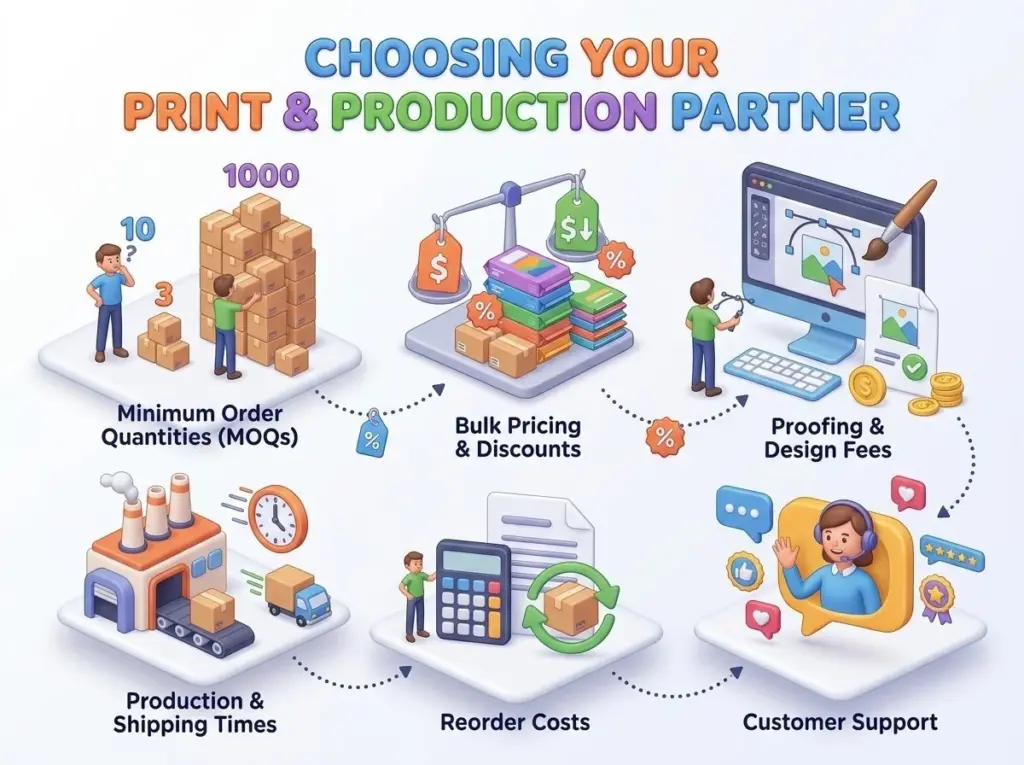
Before choosing a provider, compare minimum order quantities, bulk pricing, design fees, production times, reorder costs, and customer support to understand the full cost and service experience.
Also consider:
A provider that offers a slightly higher price may still provide better value if the cards are more durable or easier to reorder.
Consider Physical and Digital Options
Physical cards work well when customers regularly carry them and staff needs a simple way to track visits or rewards. However, businesses should also consider whether digital loyalty cards could make the experience more convenient.
A digital option eliminates physical printing, shipping, storage, and replacement costs. It can also make a customer loyalty program easier for customers to access from their phones.
The best choice ultimately depends on your customers, budget, reward structure, and operational needs. By comparing the full cost and practical features, you can choose a solution that supports your loyalty card program without paying for features you do not need.
Conclusion
Finding the right place to print loyalty cards online comes down to more than finding the lowest price. You need to consider the card material, print quality, customization options, minimum order quantity, turnaround time, and shipping costs. A good provider should give you cards that are practical for customers and consistent with your loyalty program.
For businesses that prefer traditional cards, custom loyalty cards, cardstock, plastic, PVC, QR codes, and barcodes can all provide useful options depending on how you plan to manage rewards. However, physical cards are not the only way to create a convenient loyalty card program.
If you want to reduce printing, shipping, storage, and replacement costs, digital loyalty cards can be a practical alternative. With Happyrewards.io, businesses can move their loyalty experience to customers’ phones instead of relying entirely on printed cards. This can make rewards easier to access while giving businesses a more flexible way to manage customer engagement.
Ultimately, the best option depends on your customers, budget, and loyalty card program. Whether you choose printed cards or a digital approach, focus on creating a loyalty experience that is simple for customers to use and easy for your business to manage.
